
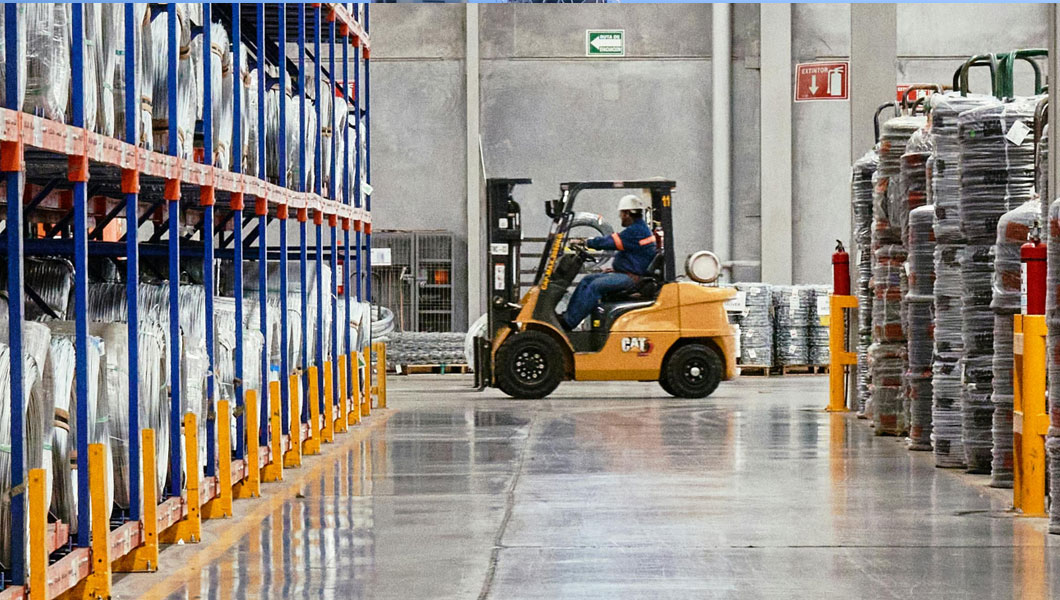
The Australian commercial property market continues to be dominated by the industrial and logistics sector, with investors, owner-occupiers and tenants all competing for quality assets.
This week, industry reports highlighted that Brisbane’s industrial vacancy rate continues to tighten as available stock is absorbed faster than new supply enters the market. The combination of strong population growth, expanding infrastructure investment and continued demand from logistics operators is supporting rental growth across most industrial precincts.
For landlords, the ongoing supply shortage is creating favourable leasing conditions, particularly for modern warehouses offering high clearances, efficient access and proximity to major transport corridors. Rental incentives are beginning to moderate as demand remains resilient
Brisbane Remains a Standout Performer
Brisbane continues to attract attention from both interstate and international investors. Queensland’s strong population growth, major infrastructure projects and the long-term impact of the Brisbane 2032 Olympic Games are contributing to positive sentiment across the commercial property sector.
The city’s industrial market remains one of the strongest in Australia, with vacancy levels remaining below equilibrium levels and limited serviced industrial land available for development. This supply constraint is expected to support rental growth and capital values throughout 2026.
Investors Increasingly Favour Industrial Assets
One of the strongest themes emerging this week is the widening performance gap between industrial and office property.
While office markets continue to recover selectively, industrial assets remain the preferred investment class due to strong tenant demand, rental growth prospects and generally lower vacancy rates. Industry analysts are reporting continued capital allocation towards warehouses, distribution facilities and logistics hubs across major Australian cities.
Private investors, syndicates and institutional buyers are actively pursuing industrial opportunities, particularly assets with long-term leases and quality tenant covenants.
Sustainability Becoming a Leasing Requirement
Another significant trend gaining momentum is tenant demand for sustainable and energy-efficient buildings. Large occupiers are increasingly seeking facilities with solar power, energy-efficient systems and electrification capabilities. Owners who invest in sustainability upgrades are likely to benefit from stronger tenant demand and future-proofed assets.
What This Means for Property Owners
For industrial property owners across South East Queensland, market conditions remain favourable. Limited supply, strong tenant demand and ongoing infrastructure investment continue to support both leasing and investment activity.
Property owners considering leasing, selling or reviewing their asset strategy should closely monitor market conditions over the coming months, particularly as further interest rate movements and economic data influence investment decisions.
At My Agent Aus, we continue to see strong enquiry levels for quality industrial properties throughout Brisbane, Logan, Ipswich and the Gold Coast corridor. Well-presented assets with functional layouts, modern improvements and strategic locations remain highly sought after.
Market Outlook
The outlook for the remainder of 2026 remains positive for industrial property. Most analysts expect vacancy rates to remain relatively tight, rental growth to continue at a sustainable pace and investor demand to remain strong for quality industrial assets.
As always, local market knowledge remains critical. While broader trends provide valuable insight, individual property performance is increasingly driven by location, functionality and tenant demand.